Overview
Unaric User Analytics former name is Improved Apps Usage Tracker. You may encounter both names in this documentation and while using the application in Salesforce.
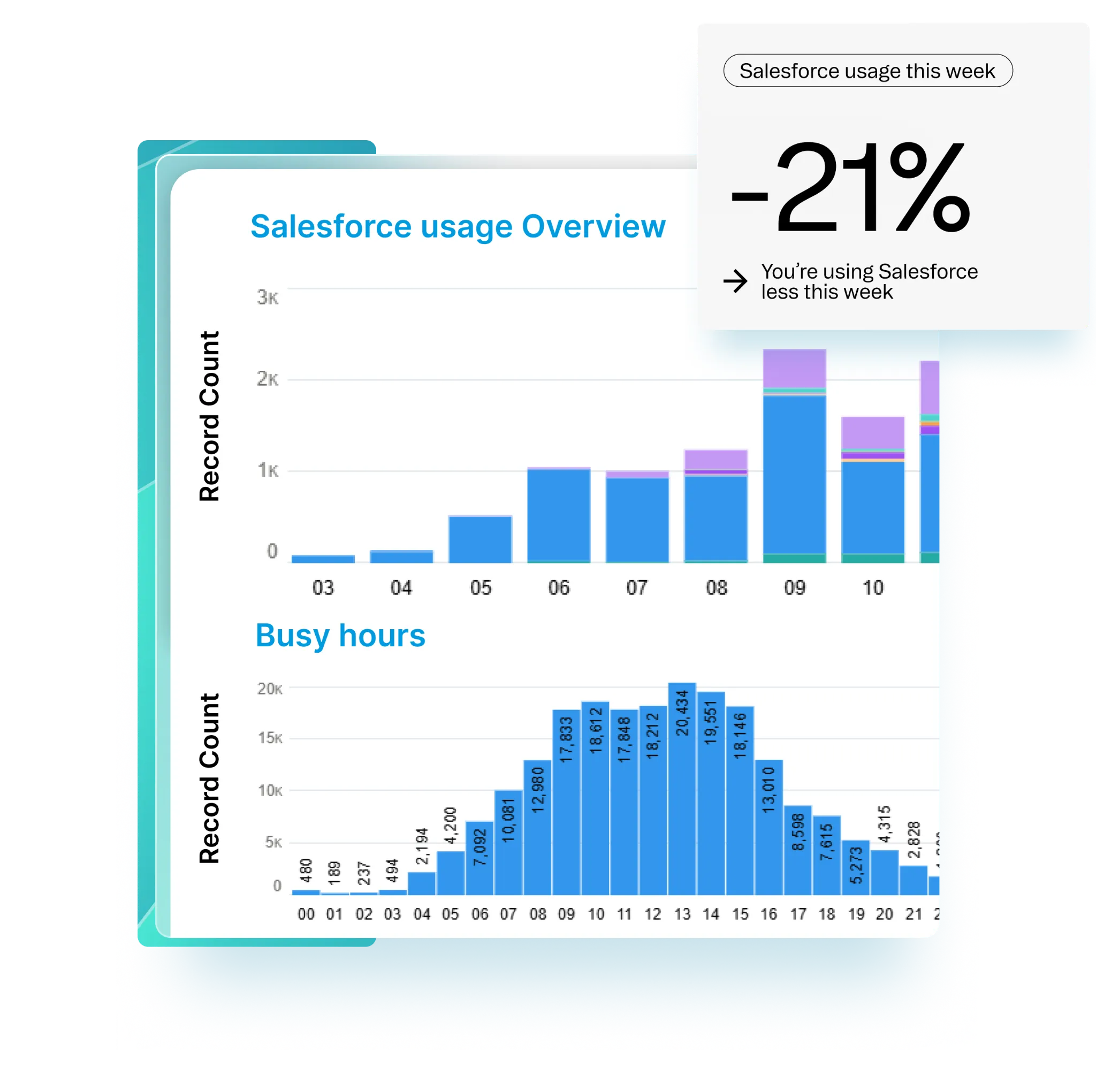
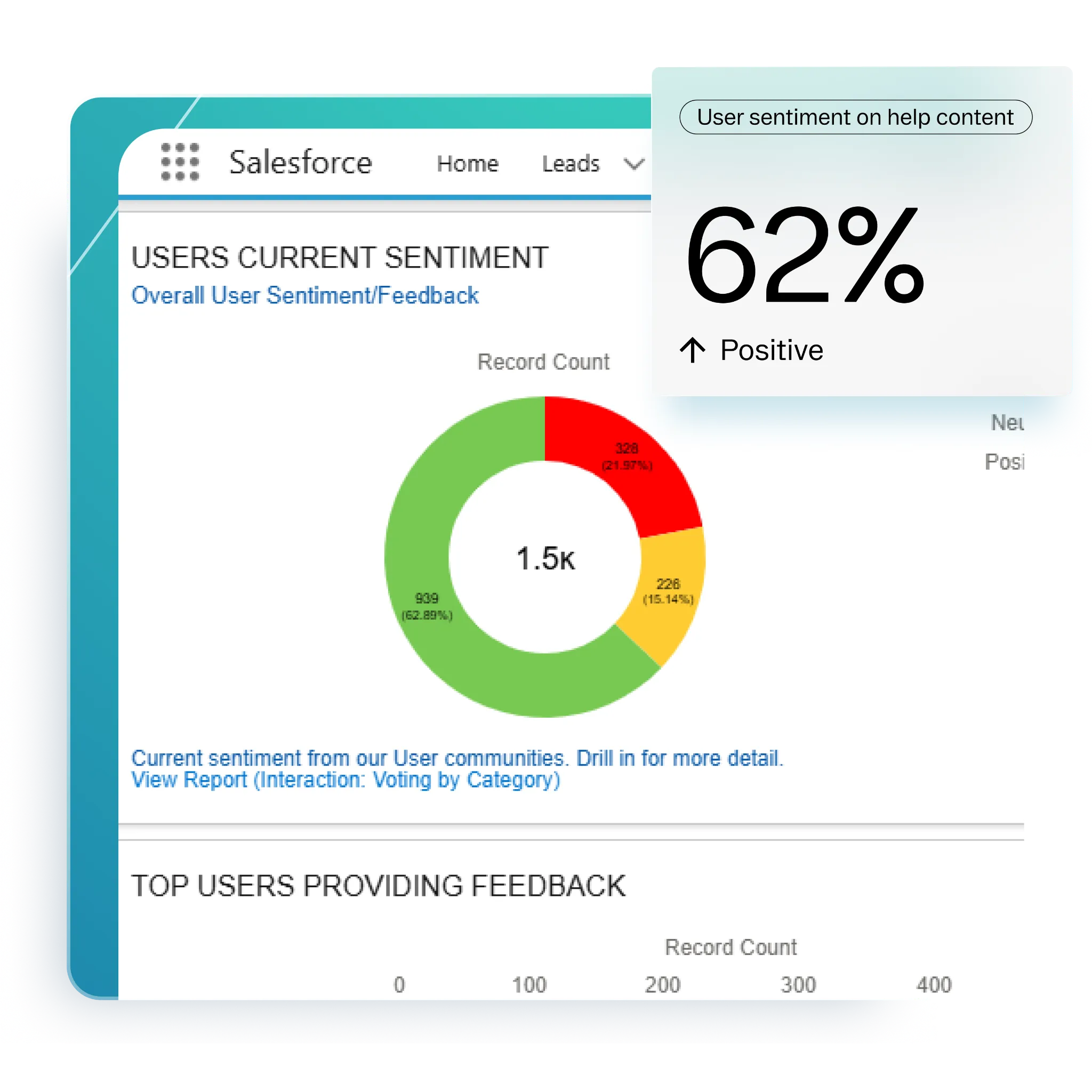
Unaric User Analytics is a powerful tool designed to track how your Salesforce users engage with your applications, generating usage data that remains within your trusted Salesforce Org.
Unaric Analytics can be installed into any Salesforce Org, tracks users minute by minute, and operates with zero impact to users and no browser extensions.
Why use Unaric User Analytics?
Optimize licensing for cost savings
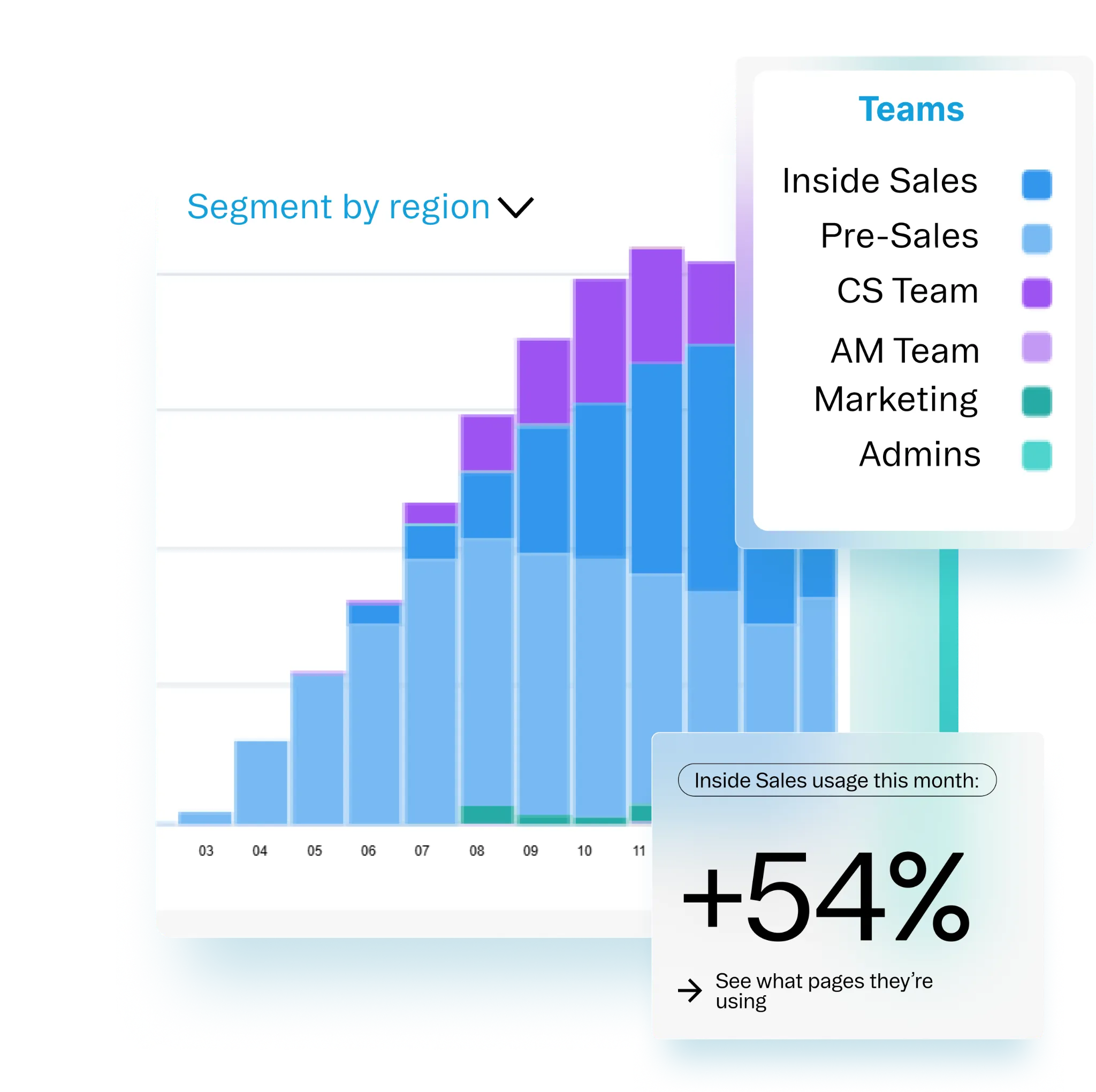
Unaric User Analytics gives organizations clear visibility into how Salesforce is actually being used, helping you make data-backed decisions about licence allocation and renewals.
- Identify ~15–20% of unused licences to reduce waste and optimize spend.
- Use real usage data to plan renewals confidently and align licence tiers with active engagement.
- Gain a unified view of user activity across pages, dashboards, and records for smarter resource allocation.
Fill Salesforce tracking gaps
Unaric Analytics extends native Salesforce reporting with deep usage visibility across dashboards, flows, records, and sub-pages — areas Salesforce does not track natively.
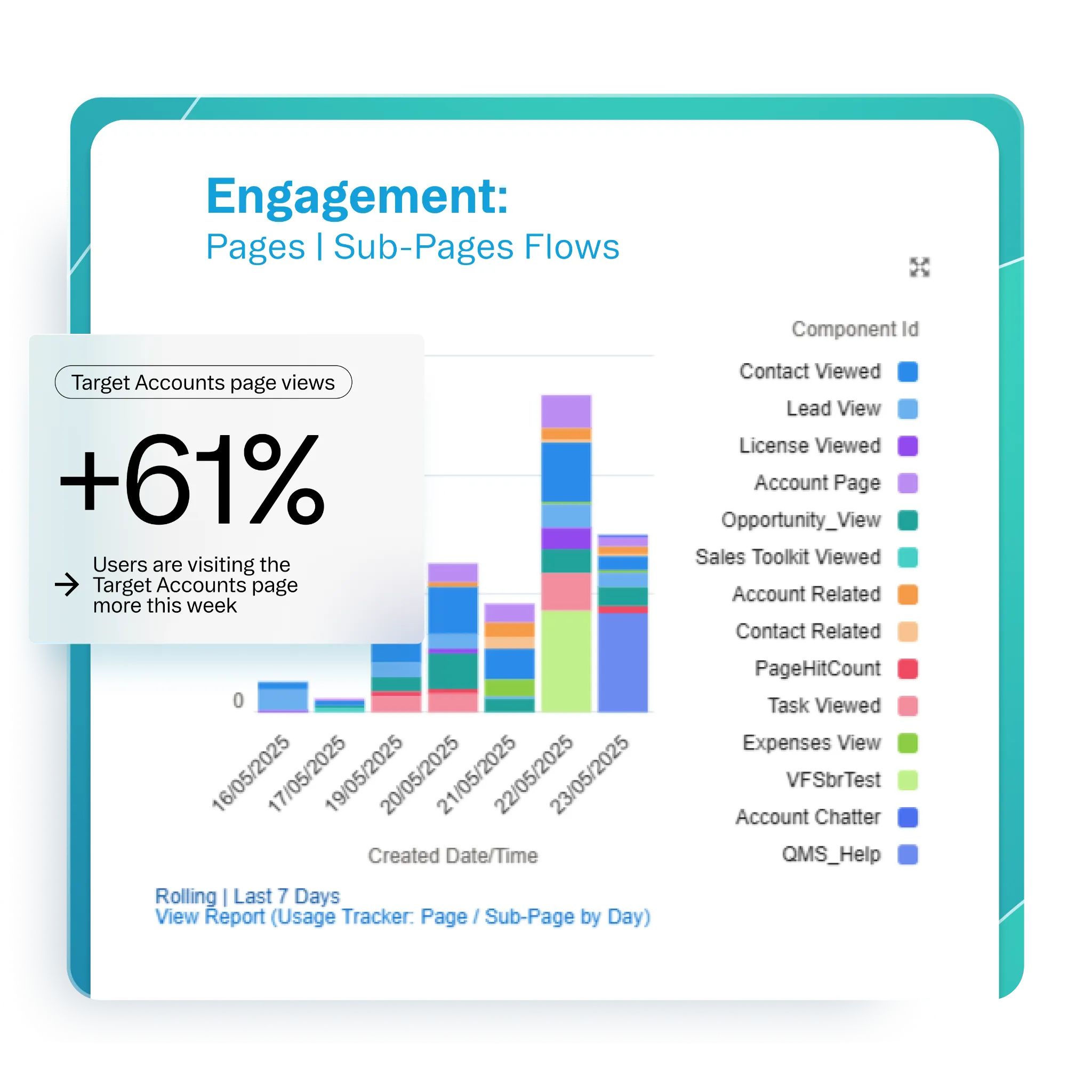
- See which dashboards users access and track navigation within Salesforce Flows to identify drop-off points.
- Understand who interacts with each record, how often, and where engagement drops — helping to eliminate cherry-picking of cases and improve accountability.
- Track pages, sub-tabs, knowledge articles, time spent on page, and even user geolocation (paid feature).
- Powered by the Position Detector component, Unaric can track virtually any page element where a component can be placed.
Retain complete data control
Unlike external analytics tools, Unaric ensures full data sovereignty and security by keeping all usage data within your trusted Salesforce Org.
- Anonymize data at capture or use Salesforce Flows to redact or delete sensitive information in compliance with privacy regulations.
Use cases
For a list of implementation guides for different use cases, see Use Cases.